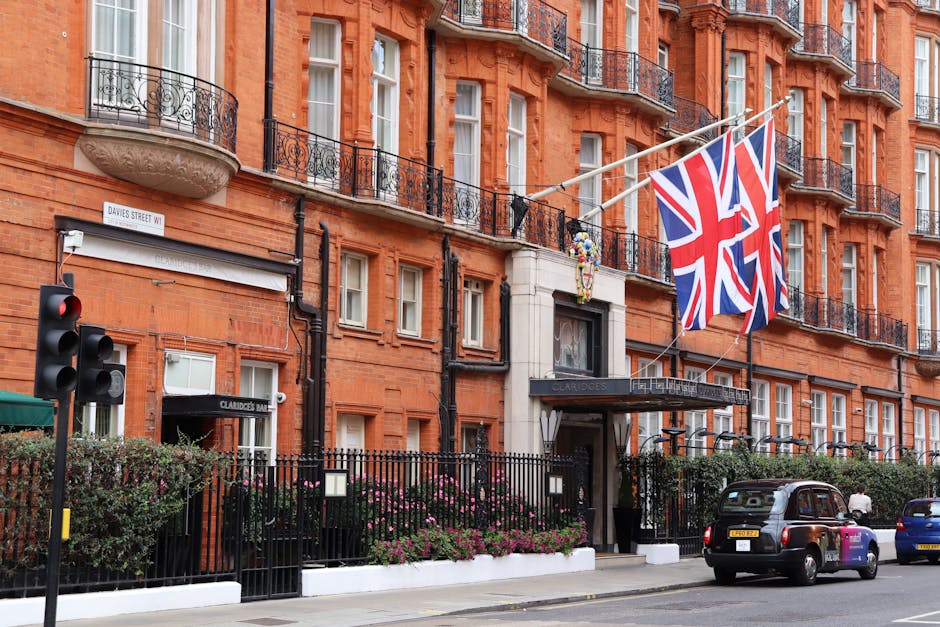
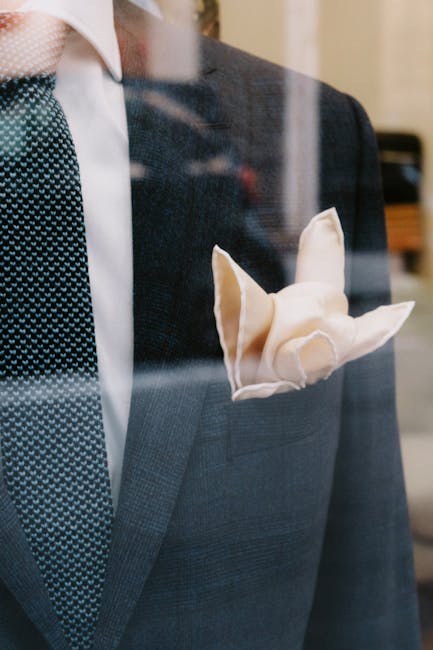
Savile Row suit-friendly fabric cleaning near Claridge's: a practical guide for tailored clothes that need proper care
There's a difference between simply cleaning a suit and caring for a Savile Row suit. If you're staying near Claridge's, attending meetings in Mayfair, or preparing for a dinner where the jacket matters almost as much as the conversation, Savile Row suit-friendly fabric cleaning near Claridge's is about protecting shape, texture, and finish as much as removing marks. That means treating wool, cashmere blends, silk linings, fine tailoring canvases, and hand-finished details with a bit more respect than a standard wash-and-go approach.
Truth be told, a good suit often fails slowly rather than dramatically. A faint collar shine here, a little odour from a late-night cab, a pressed crease that has gone soft. Nothing scandalous. Just the sort of wear that quietly takes the polish out of an otherwise excellent garment. This guide explains how specialist suit-friendly fabric cleaning works, who needs it, what to avoid, and how to make sensible choices near Claridge's without overthinking it.
Table of Contents
- Why Savile Row suit-friendly fabric cleaning near Claridge's Matters
- How Savile Row suit-friendly fabric cleaning near Claridge's Works
- Key Benefits and Practical Advantages
- Who This Is For and When It Makes Sense
- Step-by-Step Guidance
- Expert Tips for Better Results
- Common Mistakes to Avoid
- Tools, Resources and Recommendations
- Law, Compliance, Standards, or Best Practice
- Options, Methods, or Comparison Table
- Case Study or Real-World Example
- Practical Checklist
- Conclusion
- Frequently Asked Questions
Why Savile Row suit-friendly fabric cleaning near Claridge's Matters
A tailored suit is built differently from ordinary clothing. The cloth, structure, and finishing are all part of the garment's value. A Savile Row jacket may use fine wool, horsehair canvassing, hand stitching, or delicate lining materials that do not respond well to rough treatment. That is why suit-friendly cleaning matters: it is designed to preserve the garment's construction, not just make it look temporarily fresh.
Claridge's sits in a part of London where presentation matters. Whether you are heading to a business meeting, a private event, or simply want to keep your wardrobe in proper condition, it helps to know what your suit needs. The wrong cleaning method can flatten the lapels, shrink the cloth, cause puckering at seams, or leave residues that affect drape. And once that structure goes, well, it is hard to get it back exactly as it was.
Near Mayfair, many clients are also managing busy schedules. The ideal service is not only careful; it is convenient, consistent, and clear about what it can and cannot do. That is where a good local understanding helps. If you want broader context on the area and its character, the articles on Mayfair's neighbourhood feel and local living insights are useful reads.
Expert summary: Suit-friendly cleaning is about preserving tailoring, not just removing stains. The best results usually come from careful inspection, fabric-appropriate treatment, gentle finishing, and realistic expectations about what can be safely changed.
How Savile Row suit-friendly fabric cleaning near Claridge's Works
Most specialist suit care starts with inspection. A reputable cleaner will look at the cloth type, construction, stains, existing wear, and whether the garment can be safely cleaned in a solvent-based, wet-cleaned, or hybrid process. They may also check labels, but labels are only the starting point. A jacket can be labelled one way and still need a more cautious hand because of its lining, buttons, or internal structure.
The process usually includes spot assessment, pre-treatment of marks, careful cleaning using the most suitable method, controlled drying, and finishing. Finishing is the bit many people underestimate. Pressing a suit too aggressively can make it look "clean" but dead. The point is to restore the cloth's natural line and movement, not iron the personality out of it. A skilled finisher knows how to press around canvases and seams without crushing the shape.
Some garments are better handled via a gentle wet-clean process, especially when the fabric is robust and the cleaner has the right equipment. Others are more suited to specialised solvent cleaning. There is no one-size-fits-all answer, which is mildly annoying if you just want a simple yes or no, but that is tailoring for you.
If you are dealing with a full wardrobe refresh rather than a single jacket, you may find it helpful to review the service range on the services overview page and compare it with relevant garment care options such as upholstery cleaning in Mayfair if you are also maintaining interiors around the same time.
Key Benefits and Practical Advantages
The benefits of suit-friendly cleaning are easy to understand once you have had a favourite jacket come back a little off. The biggest one is preservation. Proper cleaning extends the usable life of expensive garments, which is especially useful for people who wear suits frequently or rely on them for work, events, or hospitality settings around central London.
There is also the matter of appearance. Fine tailoring is all about line and balance. A correct clean helps maintain the jacket's natural drape, the crispness of the trousers, and the finish of details like pockets and cuffs. It also helps remove odours trapped in wool fibres, which can cling on after smoky venues, dinner service, or rainy cab rides through Mayfair on a grey evening.
Then there is confidence. Not the loud kind. The quiet kind. You put on a suit and know it sits right, smells fresh, and feels composed. That matters before a meeting, before a wedding, before any moment when you want to look put together without fuss.
- Protects delicate fabrics such as fine wool, cashmere blends, silk linings, and mohair blends
- Reduces the risk of distortion, shrinkage, or seam damage
- Supports longer garment life and better cost-per-wear
- Helps maintain shape, crease definition, and tailored structure
- Removes odours and day-to-day grime more effectively than home freshening alone
For many clients, this is not a luxury; it is part of wardrobe management. If you care about how your home or office is maintained, related reading like domestic cleaning in Mayfair and office cleaning in Mayfair can also help you think about care standards more broadly.
Who This Is For and When It Makes Sense
This service makes sense for anyone wearing tailored clothing that costs more to replace than to maintain. That includes professionals, executives, consultants, hospitality staff, grooms, wedding guests, and anyone who owns a suit they genuinely want to keep in good condition. If you have a Savile Row piece, a made-to-measure jacket, or even a well-cut off-the-rack suit made from quality cloth, careful cleaning is worth considering.
It is especially relevant if you have noticed perspiration marks, collar grime, food spots, or a lingering smell that steaming alone will not fix. You may also need it after travel, a long event day, or a season of regular wear. In winter, wool can hold onto moisture and odour more than people expect; in summer, the issue is often sweat and deodorant build-up around the underarm and collar.
It may not be necessary after every wear. In fact, over-cleaning can be as unhelpful as under-cleaning. Let the garment tell you something. If it still hangs beautifully and only needs brushing and airing, do that first. If the cloth has lost freshness or there is visible staining, then it is time to act.
For those living or staying nearby, the practical decision often comes down to convenience and trust. Some readers look into broader local context before choosing where to book, which is why pages like about us and the Grosvenor Square rug cleaners guide can be helpful indicators of a service's local focus and standards.
Step-by-Step Guidance
Here is a sensible way to approach suit cleaning without making the process more complicated than it needs to be. A good method avoids guesswork and keeps your expectations realistic.
- Inspect the suit carefully. Look at the collar, underarms, cuffs, trouser hems, pockets, and lining. Check for visible marks, loose threads, and shiny areas.
- Identify the fabric and construction. Fine wool, brushed wool, silk blends, and structured jackets can each need different treatment. If you are unsure, do not assume.
- Speak to the cleaner before booking. Ask how they handle tailored garments, whether they offer stain assessment, and how they protect structure during cleaning.
- Point out specific issues. A discreet food stain on the lapel, a perfume mark on the lining, or a patch of odour at the chest should be mentioned upfront.
- Request suitable cleaning and finishing. The important bit is not just cleaning, but pressing and shaping that respects the tailoring.
- Check the result before storing. Hang the suit properly, let it breathe, and inspect it in daylight if possible. Evening hotel lighting can be flattering in all the wrong ways.
A tiny but useful point: if a stain is fresh, do not rub it. Dab, or better yet leave it alone until a specialist can assess it. Rubbing spreads the issue and can push the stain deeper into the fibres. That one catches people out all the time.
Expert Tips for Better Results
Small habits make a surprisingly big difference. In our experience, the best-looking suits are usually the ones that are looked after between cleanings, not cleaned constantly. A soft clothes brush after wear helps lift dust and loose fibres. A proper wooden hanger supports the shoulders and preserves the jacket line. And if the trousers are hung by their hems, make sure the crease is not being distorted. Simple stuff, but it matters.
Another tip: allow the suit to rest between wears. Wool naturally benefits from a bit of recovery time. If you have worn a jacket all day, especially on the Tube or during a long event, air it out before deciding it needs cleaning. Often it just needs a night to breathe by an open window, away from direct heat. Nothing fancy.
For stains, timing is everything. Oil, wine, makeup, and deodorant can all behave differently on tailored cloth. A professional will usually test a small area first, because not every treatment suits every finish. That cautious approach is a good sign, not a sign of hesitation.
- Use a soft brush after each wear to remove surface dust
- Keep suits on shaped hangers, never flimsy wire ones
- Store garments in breathable covers, not sealed plastic for long periods
- Avoid heavy fragrance spraying directly onto cloth
- Get stains assessed early rather than waiting for them to settle in
If you are comparing services or planning more than one type of clean, the guidance on pricing and quotes can help you understand how estimates are typically approached, without jumping to assumptions.
Common Mistakes to Avoid
The biggest mistake is treating a tailored suit like ordinary laundry. It is not. Even if the cloth seems sturdy, the internal structure is often delicate. A hot wash, a tumble dry, or a strong DIY stain remover can do more harm than a visible spill. I know that sounds obvious, but people still do it, usually after one glass of something and a small panic.
Another common issue is over-steaming. A little steam can refresh a jacket, sure, but too much can flatten natural texture and leave the cloth looking tired. Pressing too hard is another problem. The suit may come back clean but oddly lifeless, and that is a disappointing feeling when you paid for careful treatment.
Also avoid ignoring the lining. Lining fabric tends to absorb sweat and odour even when the outer cloth looks fine. A good cleaner will check both. If they only talk about the exterior, ask more questions. Finally, do not store a suit away until it is fully dry. Trapped moisture can create smells, marks, and in time, a rather unpleasant wardrobe surprise.
Here is the short version:
- Do not machine wash tailored suits
- Do not use harsh stain removers without testing
- Do not over-press delicate cloth
- Do not store damp garments
- Do not assume all "dry cleaning" is equal in quality
Tools, Resources and Recommendations
You do not need a drawer full of specialist kit, but a few basic tools help keep suits in better condition between professional cleans. A quality clothes brush, a sturdy shaped hanger, a breathable garment bag, and a decent steamer used carefully can cover most day-to-day maintenance. Nothing dramatic. Just sensible wardrobe care.
For readers comparing broader home and business support, it can be useful to look at how a company presents its standards and service information. The following pages are worth a look if you want to understand operations, trust signals, and how the business handles customer care:
- insurance and safety
- health and safety policy
- terms and conditions
- privacy policy
- payment and security
- complaints procedure
Those pages are not just formalities. They tell you a lot about how seriously a company takes the customer experience. And in a district like Mayfair, people tend to notice the little things. The polished details matter.
Law, Compliance, Standards, or Best Practice
Suit cleaning is not usually a heavily regulated service in the way some trades are, but reputable businesses in the UK still need to follow sensible standards around consumer rights, product safety, staff wellbeing, waste handling, and truthful service descriptions. That means being clear about what is included, what can be cleaned safely, and what outcomes are realistic.
From a practical point of view, best practice includes giving honest pre-inspection feedback, using appropriate methods for fibre type, and handling garments in a way that avoids damage. If a cleaner says a stain is not guaranteed to disappear, that is not necessarily a red flag. It is often a sign they understand textile limitations properly.
For clients, a good rule is this: ask questions before booking, keep written notes on special concerns, and check that any valuable garment is treated as a delicate item. If you have a suit with sentimental or high replacement value, say so. That helps the cleaner allocate the right process and avoid shortcuts.
Businesses also benefit from clear internal procedures. If you are comparing providers for multiple services, it can help to see how they explain broader service boundaries on pages like end of tenancy cleaning in Mayfair or carpet cleaning by area, because clear service definition usually travels across the whole website.
Options, Methods, or Comparison Table
Different garments call for different methods, and that is where a bit of informed comparison helps. Not every suit needs the same treatment. A cleaner should decide based on cloth, build, condition, and stains.
| Method | Best for | Pros | Watch-outs |
|---|---|---|---|
| Traditional dry cleaning | Many wool suits, tailored jackets, structured trousers | Good for general soil removal and shape retention when handled well | Quality varies; finishing matters a lot |
| Specialist wet cleaning | Some modern cloths and less structured garments | Can be gentle and effective with the right controls | Not suitable for every canvas or lining combination |
| Spot treatment plus refresh | Minor marks and lightly worn suits | Minimises full-garment processing | Only works if the issue is small and localised |
| Steam and brush refresh | Between wears or for light odour | Quick, low-impact maintenance | Does not replace proper cleaning when stains are present |
If you are not sure which method is suitable, ask the cleaner to explain why they recommend it. A good professional should be able to talk through the reasoning in plain English, not hide behind jargon. That's usually a strong sign you're in safe hands.
Case Study or Real-World Example
Picture this: a guest staying near Claridge's has a charcoal wool suit worn to a private dinner and a next-day meeting. By morning, the jacket has a slight wine mark on the lapel, some odour around the chest, and the trousers have lost their sharp line after a long evening of sitting, standing, and a very London taxi ride back through town at about 11:30 p.m.
A sensible cleaner would not just throw the suit into a standard process. First, they would inspect the fabric, check the lining, and look at whether the stain has set. They would identify whether the mark is likely to respond to targeted treatment or whether a broader clean is needed. Then they would choose the least aggressive method that still gives a proper result.
After cleaning, the jacket should be reshaped rather than aggressively flattened. The trousers should keep their crease, but not look board-stiff. The finished garment ought to feel fresh, smell clean, and still move naturally. That last part is key. A suit should feel alive on the body, not like a costume.
It sounds simple. It rarely is. But when it goes right, the difference is obvious the moment you put it on again.
Practical Checklist
Use this checklist before handing over a suit for cleaning near Claridge's:
- Check the label, but do not rely on it alone
- Identify any stains, odours, shine, or loose threads
- Make a note of fabric type if you know it
- Tell the cleaner about special construction or sentimental value
- Ask which method they recommend and why
- Confirm whether finishing and pressing are included
- Ask how they handle delicate linings or hand-finished details
- Keep the garment unbagged until fully dry and cooled
- Inspect the suit in daylight once returned
- Store it on a shaped hanger with room to breathe
If you tick most of those boxes, you are probably approaching it the right way. If not, no drama. Start with the fabric, and the rest gets easier.
Get a free quote today and see how much you can save.
Conclusion
Savile Row suit-friendly fabric cleaning near Claridge's is really about protecting craftsmanship. The right care keeps tailored clothing looking refined, feeling comfortable, and lasting longer than a rushed or generic clean ever could. That matters whether you wear suits every week or only for occasions that genuinely count.
The best results usually come from a calm process: inspect first, choose the right method, clean gently, finish properly, and store correctly. Nothing flashy. Just proper care. And in a place like Mayfair, where presentation and discretion often go hand in hand, that sensible approach fits the setting well.
When your suit is looking right, the whole outfit settles. You stand a little straighter. You probably know the feeling.
Frequently Asked Questions
What does suit-friendly fabric cleaning actually mean?
It means the cleaning method is chosen to protect the suit's fabric and structure, not just remove visible dirt. For tailored garments, that usually includes careful inspection, suitable cleaning chemistry, and proper finishing.
Is dry cleaning always safe for Savile Row suits?
Not automatically. Many Savile Row suits can be dry cleaned, but the process should be assessed for the specific cloth, lining, and structure. The cleaner's judgment matters just as much as the label.
How often should I clean a tailored suit?
Only when it needs it. If a suit has been lightly worn, brushing and airing may be enough. If there are stains, odour, or noticeable soiling, then professional cleaning makes sense. Over-cleaning can shorten the life of the garment.
Can wine or food stains be removed from a wool suit?
Sometimes, yes, especially if treated quickly and correctly. But there is no honest guarantee. The age of the stain, the type of cloth, and the dyes involved all affect the outcome.
Will cleaning ruin the shape of my jacket?
A poor process can, yes. A good specialist should preserve the jacket's structure and shape through careful handling and finishing. That is one of the key reasons to choose a service familiar with tailored clothing.
What should I tell the cleaner before handing over my suit?
Tell them about stains, odour, fabric type if known, and any special concerns such as hand-finished details or sentimental value. The more useful context you give, the better the result is likely to be.
Can I just steam my suit at home instead?
You can refresh a suit with light steaming, but steaming is not a substitute for cleaning when there is soil or staining. Used too heavily, steam can also affect the cloth finish.
How do I know if a cleaner is suitable for luxury tailoring?
Ask how they treat structured jackets, whether they inspect fabrics individually, and how they handle pressing. Clear, confident answers are usually a good sign. Vague answers are not.
Is it worth paying more for specialist suit care near Claridge's?
If the suit is expensive, well-made, or frequently worn, yes, it often is. The cost of a cautious specialist clean is usually far less than replacing a damaged jacket or trying to restore its shape later.
How should I store a suit after cleaning?
Hang it on a shaped hanger, keep it in a breathable cover, and let it cool and air before closing it away. Avoid cramped wardrobes and damp storage. A bit of breathing room goes a long way.
Can a cleaner remove odour from a suit lining?
Often, yes, if the odour is from sweat, smoke, or general wear. Linings can hold smell more stubbornly than the outer cloth, so they need to be assessed properly rather than ignored.
What if my suit has both a stain and delicate fabric?
That is exactly the sort of situation where specialist care helps. A good cleaner will test first and choose the least aggressive method that still gives a meaningful result. Careful is better than brave here.
Where can I learn more about local services and standards in Mayfair?
You can explore the wider Mayfair blog archive for local insights, service context, and related care topics. It is often useful to understand the company's broader approach before booking.