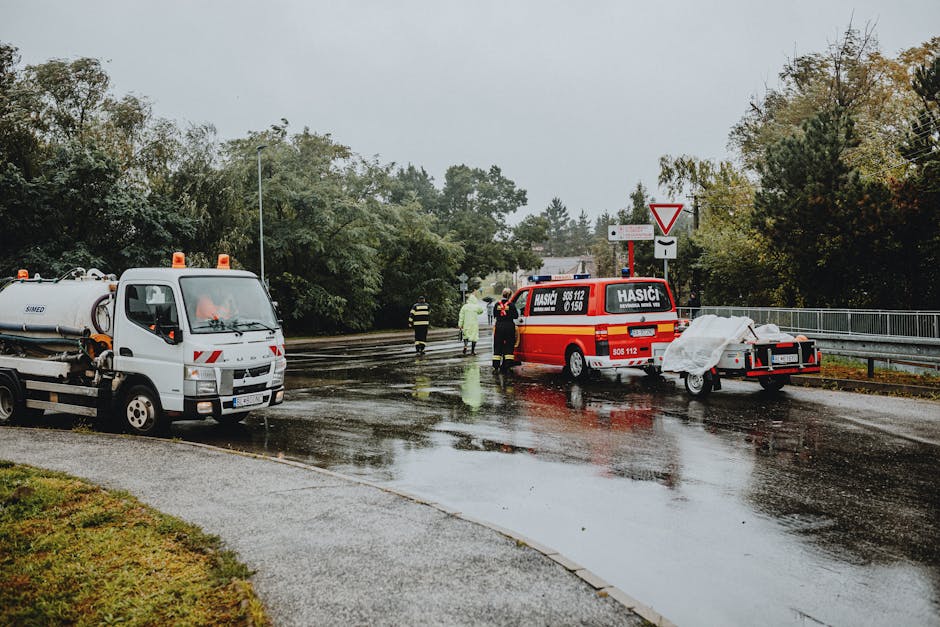
Emergency spill response in Mayfair: same-day carpet rescue
Spills happen at the worst possible moment. A glass of red on a cream hallway runner, a coffee splash in a Mayfair townhouse, a muddy drink spill after guests have left, or a pet accident right before a viewing. The first few minutes matter more than most people realise. With Emergency spill response in Mayfair: same-day carpet rescue, the goal is simple: reduce staining, stop wick-back, protect fibres, and keep a small accident from turning into a very expensive headache.
In a place like Mayfair, where homes, offices, rental flats, and hospitality spaces often have high-value carpets and rugs, fast action is not just convenient. It is sensible. This guide explains what same-day spill response involves, what to do before help arrives, how professionals work, and where people most often go wrong. If you are trying to save a carpet today, or you want to know what to expect before booking, you are in the right place.
Table of Contents
- Why emergency spill response matters
- How same-day carpet rescue works
- Key benefits and practical advantages
- Who this is for and when it makes sense
- Step-by-step guidance
- Expert tips for better results
- Common mistakes to avoid
- Tools, resources and recommendations
- Law, compliance, standards and best practice
- Options, methods and comparison table
- Case study or real-world example
- Practical checklist
- Conclusion
- Frequently asked questions
Why Emergency spill response in Mayfair: same-day carpet rescue Matters
A spill is not just a spill. On carpet, it can become a chain reaction: liquid spreads, dye transfers, fibres absorb, the underlay dampens, and a stain sets. If the liquid is sugary, oily, acidic, or tinted, the risk climbs quickly. In some cases the issue is not the visible mark alone, but the residue left behind. That residue attracts soil later, so even after the carpet "looks fine" for a day or two, the patch can darken again. Classic wick-back. Annoying, and very common.
Mayfair properties often have a mix of wool carpets, tailored runners, fine area rugs, and fitted flooring chosen for appearance as much as durability. That makes fast, careful response especially important. A rushed clean with the wrong product can flatten pile, spread the stain wider, or create a tide mark. And once that happens, you are no longer dealing with a quick clean-up; you are dealing with restoration work.
Same-day service also matters for practical reasons. If you are hosting, letting property, preparing a sale, or keeping an office open, a visible spill changes how people experience the whole room. Nobody wants the room to smell faintly of coffee and panic. The sooner the carpet is stabilised, the better the outcome usually is.
For readers looking at broader property upkeep, it can help to think of spill response as part of overall fabric care, not a standalone panic button. Our guide to services overview explains how carpet, rug, upholstery, and broader cleaning support each other in day-to-day property maintenance.
How Emergency spill response in Mayfair: same-day carpet rescue Works
Good emergency spill response is structured. It is not just "turn up and scrub." A proper same-day visit usually starts with identifying the spill type, the carpet fibre, the backing, and how long the liquid has been sitting there. That first assessment shapes everything else.
Here is the usual flow in plain English:
- Initial triage. The technician asks what was spilled, roughly how much, whether it was blotted, and whether anything was already applied.
- Fibre and colour check. Wool, nylon, synthetics, blends, and delicate rugs all react differently. Some dyes can be sensitive to moisture or strong products.
- Containment. The spill is isolated so it does not travel into clean areas or beneath furniture.
- Targeted treatment. The right pre-treatment is used for the stain type, then lifted with controlled agitation or extraction.
- Rinse and residue removal. This step matters more than people think. Leftover cleaner can attract soil or leave a sticky patch.
- Drying support. Air movement, towels, and careful moisture control help prevent lingering damp smells or secondary marks.
- Aftercare advice. You should know what to expect over the next few hours, and whether a second visit or fuller clean makes sense.
Spill response often overlaps with stain removal, but they are not quite the same thing. Response is the immediate rescue. Stain removal is the deeper cosmetic and fibre-care work that may follow if the mark has already settled.
To be fair, some spills are straightforward. Water-based drinks on synthetic carpet can often be treated quickly. Others are a different story. Red wine on light wool, curry on a pale rug, bleach, perfume, nail varnish, or muddy liquor spills after an event can all behave in very different ways. That is why a one-size-fits-all approach is risky.
Key Benefits and Practical Advantages
When same-day carpet rescue is done properly, the benefits go beyond making the room look tidy again.
- Less staining. Immediate treatment reduces the chance that the spill bonds to the fibres.
- Lower chance of odour. Liquids left in carpet can create a stale or sour smell, especially in enclosed rooms.
- Reduced risk of permanent texture damage. Harsh DIY scrubbing can crush pile and make the patch obvious even after cleaning.
- Better long-term appearance. A rescued spill is far less likely to become a recurring dark patch.
- Less disruption. Same-day help often means you can keep using the space with minimal fuss.
- Protection of high-value interiors. That matters in Mayfair, where finishes are often chosen with care and replaced at a cost.
There is also a quiet psychological benefit. Once the spill is handled, the room stops feeling "tainted." You can actually relax again. If you have ever spent an evening staring at a growing stain, you will know exactly what that means.
For properties where presentation matters, spill rescue can also support wider cleaning plans. If you are managing a flat between tenancies, for example, a quick response may save a carpet from needing a much more involved treatment later. The same thinking applies to office settings, where a coffee spill in a reception area is never just a coffee spill. It becomes a first impression.
You may also find it useful to read about end of tenancy cleaning in Mayfair and office cleaning services in Mayfair if the spill happened in a rental or workplace environment.
Who This Is For and When It Makes Sense
Same-day spill response is not only for emergencies in the dramatic sense. It is for anyone who needs a fast, sensible solution before a stain becomes a bigger project.
- Homeowners and residents dealing with drinks, food, pet accidents, or muddy shoes after wet weather.
- Landlords and letting agents who need to protect carpets between inspections, viewings, or check-outs.
- Office managers handling spills in meeting rooms, reception areas, or shared kitchens.
- Hospitality and event hosts managing party aftermath, where multiple spills can happen at once.
- Interior-conscious property owners with wool rugs, bespoke runners, or delicate carpet finishes.
It makes sense whenever the spill is fresh, the carpet is valuable, the room needs to be usable soon, or you are not sure what has been spilled. If the substance is oily, coloured, acidic, or unknown, getting advice quickly is generally wiser than experimenting with household products.
One small but useful distinction: if the spill is on a rug rather than fitted carpet, the care approach can differ. Rugs may be lifted, treated in a controlled way, or sent for a more specialised clean depending on fibre type and dye stability. For readers dealing with decorative or hall rugs near Grosvenor Square, this guide to Grosvenor Square rug cleaning is a helpful companion.
Step-by-Step Guidance
If you have just spilled something on carpet, do not freeze. Work methodically. Calm beats panic every time.
- Stop the spill from spreading. Remove the glass, cup, bottle, or source carefully.
- Blot, don't rub. Use white absorbent cloths or plain paper towels and press gently from the outside in.
- Keep water use minimal at first. Too much liquid can push the stain deeper. Less is more, honestly.
- Do not mix products. Household cleaners can react badly with each other and with carpet dyes.
- Protect the area. Keep feet, furniture, and pets away until you know how the fibres are reacting.
- Note what was spilled. Wine, milk, coffee, oil, ink, bleach, and pet urine each need different treatment.
- Call for same-day help if needed. Fast response is most valuable in the first hours after the accident.
If you are waiting for a technician, avoid aggressive spot cleaners, steam, coloured cloths, or scrubbing with a stiff brush. Those are the classic "I only made it worse for five minutes" decisions. We have all been there, or close enough.
When the team arrives, a good visit should include clear explanation. You should know what they are testing, why they are using a particular product, and whether the treatment is likely to remove the stain fully or just improve it significantly. That honesty matters. No overpromising.
Expert Tips for Better Results
There are a few small habits that make a surprisingly big difference during spill rescue.
- Work from the outside in. This stops the stain edge from spreading.
- Use white cloths only. Coloured towels can transfer dye when the carpet is damp.
- Keep note of fibre type. Wool, silk blends, viscose, and synthetics behave differently.
- Do not over-wet the backing. Excess moisture can lead to long drying times and a damp smell.
- Think about airflow. A room with moving air dries better than a closed, stuffy one.
- Test products first. Even a gentle cleaner can affect colour or texture in a hidden patch.
A practical tip many people miss: if the spill happened on patterned carpet, it may look "fine" while the damage is actually in the pile tips or underlayer. Pattern can hide a lot. A skilled technician will look beyond the first glance.
Also, if the spill is part of a larger cleaning issue-say the room has general traffic marks, pet odour, or post-event residue-it may be more efficient to combine the rescue with a broader clean later. That is where domestic cleaning in Mayfair can support the wider upkeep of a property, especially if you are juggling a busy household.
Common Mistakes to Avoid
Most carpet disasters are not caused by the spill itself. They are caused by what happens next.
- Rubbing the stain hard. This can push colour deeper and rough up the pile.
- Using bleach or strong bathroom cleaners. These can strip colour or damage fibres permanently.
- Pouring on lots of water. More water is not the same as more cleaning.
- Hiding damp furniture over the spot too soon. That can trap moisture and leave marks.
- Ignoring odour. If it smells wrong, there may still be residue in the carpet.
- Waiting until the next day. Some stains become harder to treat very quickly. Not always impossible, but harder.
Another common mistake is assuming every stain can be solved with one household trick. Truth be told, there is a lot of internet advice that sounds confident and does not help much. If anything, it muddies the water. The smartest move is usually controlled action and, when the spill is risky, fast professional assessment.
Tools, Resources and Recommendations
You do not need a van full of equipment to do the first sensible steps. A small emergency kit is enough for most households and offices.
| Item | What it helps with | Useful note |
|---|---|---|
| White absorbent cloths | Blotting fresh liquid | Avoid coloured towels that may bleed dye |
| Plain paper towels | Initial spill control | Replace often so you are lifting, not spreading |
| Disposable gloves | Hygiene and protection | Especially useful for food, pet, or unknown spills |
| Clean white towel | Pressing moisture out | Best used with gentle pressure only |
| Notebook or phone note | Recording what was spilled | Very helpful if you later need a specialist clean |
For property owners and managers, it is also worth knowing where emergency spill help sits within your broader cleaning routine. The pricing and quotes page is useful if you want to understand how service requests are normally handled, while about us gives a clearer sense of the company's approach and priorities.
If you are comparing options for a home, office, or mixed-use property, a general overview page such as services overview helps you see how spill response fits alongside carpet, upholstery, and broader cleaning needs. A lot of people skip that step and end up booking the wrong service. Happens all the time.
Law, Compliance, Standards, or Best Practice
For spill response, the main concern is not legal drama. It is safe, careful practice. In the UK, good cleaners should follow sensible health and safety procedures, handle chemicals responsibly, and avoid putting occupants, staff, or surfaces at unnecessary risk. That means risk-aware methods, clear communication, and appropriate PPE where needed.
In practical terms, you should expect a provider to think about:
- the type of stain and whether it creates hygiene concerns
- the carpet fibre and any dye sensitivity
- slip risk from wet floors
- ventilation and drying time
- safe handling of cleaning solutions
- clear limits on what can and cannot be guaranteed
For customers, this is reassuring because it reduces the chance of avoidable damage. It also matters in shared buildings, offices, and rental properties where one bad clean can affect neighbouring tenants or building surfaces. If you want to understand those expectations a bit better, the site's health and safety policy, insurance and safety, and terms and conditions pages are the right places to look.
Compliance is not just paperwork. In a real spill situation, it shows up as clean process, honest advice, and careful treatment. That is the kind of boring professionalism you actually want.
Options, Methods, or Comparison Table
Not every spill needs the same response. Sometimes a simple blot-and-dry is enough. Other times, you need extraction or specialist stain treatment. Here is a straightforward comparison.
| Method | Best for | Pros | Limitations |
|---|---|---|---|
| Immediate blotting | Fresh water-based spills | Fast, simple, low-risk | May not remove set or coloured stains |
| Targeted spot treatment | Tea, coffee, food, mild dye transfer | Focused and efficient | Needs the right product and careful testing |
| Hot water extraction | General deeper cleaning after a spill | Helps remove residue and soil | May be too wet or too aggressive for delicate fibres |
| Specialist stain restoration | Wine, ink, bleach, severe pet stains, delicate rugs | Best chance of recovery in difficult cases | Requires expertise and careful judgement |
There is no prize for choosing the strongest method. The best method is the one that solves the problem without creating a second one. That sounds obvious, but it is where a lot of DIY attempts go sideways.
Case Study or Real-World Example
Picture a small Mayfair office just after lunchtime. Someone knocks over a takeaway coffee during a meeting. It spreads across a low-pile carpet near the reception area, and a sugar-dark ring starts forming almost immediately. By the time the meeting ends, the carpet already looks tired.
Here is how a sensible same-day response would typically play out. The spill is first blotted and contained, then the affected fibres are assessed for type and colour stability. A targeted treatment is applied to lift the coffee residue, followed by careful extraction and drying support. If the carpet is still slightly marked, a second controlled pass may be used rather than pushing harder straight away.
The useful part of this example is not that the spill was dramatic. It was not. It was ordinary, and that is exactly why it matters. Most emergency carpet rescues are like this: small, fast-moving, and easy to underestimate. A calm same-day response prevents the stain from setting while keeping the room available for use. Everyone gets back to work. No one ends up talking about the carpet for the rest of the week, which is probably the ideal outcome.
In a residential setting, the same principle applies after a dinner party or late-night accident. One guest spills red wine, another laughs a little too loudly, and suddenly the room feels like a problem. A careful same-day response can often rescue the carpet before the stain becomes part of the furniture, so to speak.
Practical Checklist
Use this quick checklist if a spill happens now.
- Stop the source of the spill.
- Blot gently with white cloths or paper towels.
- Do not rub or scrub.
- Avoid mixing cleaners.
- Keep the area clear.
- Note what was spilled and when.
- Check whether the carpet is wool, synthetic, or a delicate rug.
- Watch for spreading edges or colour bleed.
- Improve airflow if the area is safe to do so.
- Book same-day help if the stain is coloured, oily, smelly, or valuable carpet is involved.
Expert summary: the best spill response is calm, quick, and specific. Stop the liquid, protect the fibres, and use the right treatment for the stain type. That simple sequence saves more carpets than any clever trick ever will.
Conclusion
Emergency spill response in Mayfair is really about preserving options. The longer a stain sits, the fewer options you have. The sooner you act, the more likely it is that the carpet can be rescued cleanly, safely, and without drama. Same-day care is especially valuable in a neighbourhood where presentation, property value, and day-to-day convenience all matter.
If you remember only one thing, let it be this: do the simple first steps well, avoid harsh DIY mistakes, and get specialist help quickly when the spill is risky or the carpet is precious. That combination usually gives the best outcome. Not perfect every time, but very often good enough to save the day.
For more guidance on related cleaning needs, you can explore local living insights in Mayfair, a closer look at the Mayfair neighbourhood, or the wider blog archive for practical home and property advice.
Get a free quote today and see how much you can save.
And if the carpet is currently under attack by coffee, wine, or something you would rather not identify, take a breath. You may still have a very good chance of saving it.
Frequently Asked Questions
How quickly should I act after a carpet spill?
As quickly as you can. The first few minutes are the most valuable because they limit absorption and reduce the chance of a permanent mark. Even if you cannot call for help immediately, blotting and protecting the area right away can improve the result.
Can same-day carpet rescue remove red wine completely?
Sometimes yes, sometimes not entirely. It depends on the carpet fibre, how quickly the spill was treated, and whether any products were already applied. Fresh red wine on the right carpet often responds well to prompt treatment, but there are no honest guarantees.
Is it safe to use vinegar or baking soda on a stain?
Not always. Those household remedies can help in some situations, but they can also spread the stain, alter pH balance, or leave residue behind. If the carpet is valuable or delicate, it is usually safer to test cautiously or seek professional guidance first.
What kinds of spills count as an emergency?
Anything that can stain quickly, smell badly, damage fibres, or create safety issues qualifies. That includes wine, coffee, tea, milk, pet accidents, ink, bleach, food grease, and unknown liquids. If you are unsure what it is, treat it as urgent.
Will emergency cleaning damage wool carpets?
A properly trained technician should use methods suited to wool, which is more sensitive than many synthetic fibres. The risk usually comes from the wrong product, too much moisture, or rough treatment, not from careful cleaning itself.
Do I need same-day service for water spills?
Not always. Plain water on a durable synthetic carpet may dry out with minimal issue. But if the carpet is thick, the spill is large, the underlay is affected, or there is a risk of staining from something mixed into the water, it still makes sense to act quickly.
How long does emergency spill treatment usually take?
That depends on the spill type and the carpet. A simple fresh spill may be stabilised fairly quickly, while stubborn staining or larger wet areas can take longer because drying and residue removal matter as much as the visible clean.
Can a spill come back after it looks clean?
Yes, especially if residue remains under the fibres or in the backing. This is often called wick-back. A carpet may look improved at first, then darken again as moisture rises. That is why rinse and extraction steps are so useful.
What should I tell the cleaner before they arrive?
Tell them what was spilled, how long ago it happened, the approximate size of the area, whether you tried anything already, and if the carpet is wool, synthetic, or a rug. Those details help them choose the right approach more quickly.
Can emergency spill response help after a party or event?
Absolutely. Party spills are one of the most common reasons people need fast carpet rescue, especially in reception rooms, dining areas, and shared spaces. If there are multiple marks, a same-day response can stop several small issues turning into one bigger cleaning job.
Is it better to clean immediately or wait until a full appointment?
Immediate stabilisation is usually better than waiting. Even if a full deep clean is booked later, the first response reduces damage now. Think of it as buying time and protecting the carpet until the proper treatment can be completed.
Where can I find related cleaning services if the spill affected more than the carpet?
If upholstery, rugs, or multiple rooms are involved, you may want to look at upholstery cleaning in Mayfair or the broader site pages for service planning. That can be a neat way to deal with the whole problem in one go instead of patching it piece by piece.