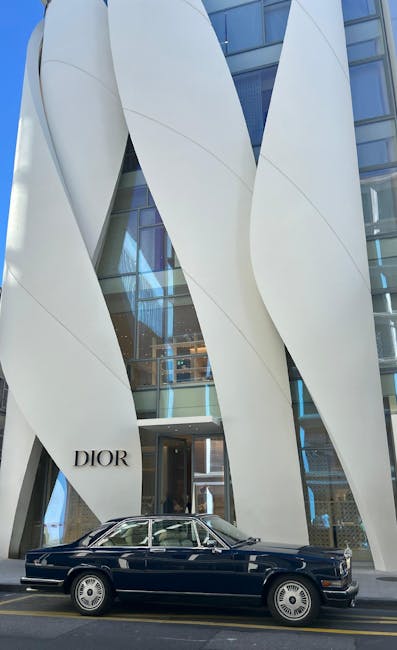
Bond Street boutique carpet cleaning for high-end stores: a practical guide for luxury retail spaces
Bond Street has a very particular energy. The lighting is sharper, the window displays are considered, and every surface quietly says something about the brand. In that setting, carpets are not just underfoot; they are part of the customer experience. Bond Street boutique carpet cleaning for high-end stores is about protecting that impression without interrupting trading, disturbing stock, or risking delicate fibres. It sounds straightforward enough, but in practice it takes judgement, restraint, and a proper understanding of luxury materials.
High-end retail carpet care is never just a "clean and done" job. A velvet runner, a natural wool blend, a patterned entrance mat, and a fitted broadloom carpet can all need different treatment. Add footfall, fragrance from product launches, seasonal events, and the occasional spill from coffee or champagne, and the floor becomes one of the hardest-working parts of the shop. This guide explains how premium retail carpet cleaning should work, what good service looks like, and how to choose a method that keeps your store looking refined day after day.
For readers managing multiple premium locations or linked services, it can also help to see how presentation, timing, and brand consistency are handled across a wider service ecosystem. For example, many businesses already pay attention to how they present customer-facing details in other sectors too, whether that means arranging reliable flower delivery in Mayfair for an opening event, selecting from the best flower delivery options, or using a trusted corporate accounts service for regular business gifting. The same logic applies to carpet care: consistency, discretion, and quality matter.
Table of Contents
- Why Bond Street boutique carpet cleaning for high-end stores Matters
- How Bond Street boutique carpet cleaning for high-end stores Works
- Key Benefits and Practical Advantages
- Who This Is For and When It Makes Sense
- Step-by-Step Guidance
- Expert Tips for Better Results
- Common Mistakes to Avoid
- Tools, Resources and Recommendations
- Law, Compliance, Standards, or Best Practice
- Options, Methods, or Comparison Table
- Case Study or Real-World Example
- Practical Checklist
- Conclusion
- Frequently Asked Questions
Why Bond Street boutique carpet cleaning for high-end stores Matters
Luxury retail is built on perception. Customers may not consciously notice a spotless carpet, but they will absolutely notice a stained one, a musty smell, or a patch that looks flattened and tired. On Bond Street, where visitors expect elegance before they even step inside, the floor is part of the brand story. It frames the product, supports the lighting, and quietly tells people whether the store is maintained with care.
There is also a practical side. High-end shops usually face heavier-than-expected foot traffic, especially at weekends, during launches, and around seasonal peaks. A boutique selling designer fashion, fine jewellery, fragrance, homeware, or luxury gifts can experience concentrated wear in a few narrow routes: entrance to till point, fitting rooms, mirrors, display tables, and private consultation spaces. Those paths get marked faster than you'd think. To be fair, most stores do not need a dramatic overhaul every week; they need a controlled, repeated maintenance plan that prevents the "we'll deal with it later" stage.
Another reason this matters is stock protection. Dust, loose fibres, residue from improper products, and moisture can all affect nearby merchandise. In a high-end environment, the wrong cleaning approach can leave rings, revive old stains, or create a smell that clashes with perfume counters and premium packaging. The goal is not only cleanliness. It is preservation.
For brands that run promotions, private events, or client evenings, floor presentation is often overlooked until the last minute. That is similar to how businesses sometimes leave gifting arrangements to the final hour and then need same-day flower delivery in Mayfair or a quick send-flowers service to keep things polished. The lesson is simple: presentation problems are easiest to solve before they become visible.
Expert summary: In a luxury retail setting, carpet cleaning is not just maintenance. It is part of brand protection, customer experience, and day-to-day operational discipline.
How Bond Street boutique carpet cleaning for high-end stores Works
Good carpet cleaning in a luxury shop should begin with inspection, not equipment. A trained cleaner will first identify the carpet fibre, construction, colourfastness, wear pattern, and existing marks. That matters because wool, wool blends, synthetics, and delicate woven carpets can all respond differently to water, agitation, and detergent strength. The store layout also matters: wide open retail floor, stair runners, dressing areas, stock rooms, and entrances may all need a different approach.
A sensible workflow usually looks like this:
- Assessment and fibre identification to determine the safest cleaning method.
- Dry soil removal using controlled vacuuming and edge detailing.
- Spot treatment for spills, scuffs, adhesive traces, or cosmetic marks.
- Deep cleaning chosen to suit the carpet and trading schedule.
- Moisture control and finishing so the carpet dries evenly and quickly.
- Final inspection to check pile appearance, colour consistency, and any remaining spots.
In high-end retail, the method is often quieter and more controlled than standard domestic work. Hot water extraction can be excellent in the right context, but it is not automatically the best answer for every surface. Low-moisture systems, bonnet cleaning, encapsulation, and targeted stain treatment may be more appropriate where rapid drying and minimal disruption are the priority. Sometimes a hybrid approach is best. A proper cleaner will say so, rather than insisting on one "magic" method for everything. If someone does that, run a mile. Or at least ask more questions.
Timing is another key part of the process. Many boutiques prefer work before opening, after close, or in segmented zones so one area can be cleaned while another stays live. That is especially important on Bond Street, where the rhythm of the day matters and there is little patience for equipment cables snaking across a pristine sales floor. Good service is discreet, predictable, and tidy. You should barely feel it happened until you see the result.
For stores that also manage regular client gifting, launches, or hospitality moments, attention to timing is everything across the board. A carefully planned service model is a bit like arranging next-day flower delivery or choosing a trusted florist in Mayfair: the value is not only in the product, but in the reliability behind it.
Key Benefits and Practical Advantages
Luxury carpet cleaning offers more than a prettier floor. Done well, it supports the whole operation. Here are the main benefits businesses usually care about.
- Better first impressions: A clean carpet lifts the room instantly, especially in entrance zones and around display areas.
- Longer carpet life: Regular soil removal prevents grit from cutting into fibres and flattening pile.
- Odour control: Premium retail spaces should smell neutral, fresh, and brand-appropriate.
- Reduced appearance of wear: Traffic lanes, shading, and dull patches can be managed before they become obvious.
- Improved hygiene: Dust, allergens, and hidden debris are reduced, which matters in enclosed retail environments.
- Better event readiness: Launches, private shopping evenings, and client visits feel more polished.
- Protection of luxury finishes: Delicate carpets, borders, and runners are handled with the right chemistry and care.
A quieter benefit, but a real one, is staff confidence. Teams work differently in spaces that feel maintained. They straighten displays more naturally, place products with more care, and tend to keep the place looking sharper. The floor sets the tone. It really does.
There is also a commercial advantage. High-end stores often sit within a wider network of brand touchpoints, from printed collateral to customer gifts. A store that cares about floor presentation often cares about everything else too: packaging, lighting, service, and even the way it handles wedding flowers in Mayfair for special clients, or keeps a subtle premium feel with luxury flowers for VIP occasions. That consistency is part of brand value.
Who This Is For and When It Makes Sense
This service is for any business where the carpet is part of the customer experience and not merely a surface. The obvious examples are luxury fashion boutiques, jewellery stores, designer showrooms, beauty counters, fragrance shops, and high-end accessories retailers. But it also makes sense for galleries, private client areas, premium hotel retail corners, reception spaces, and members' clubs that rely on careful presentation.
It is particularly useful when:
- the entrance area looks dull even after vacuuming;
- there are repeated marks in the same pathways;
- a product launch or VIP event is scheduled;
- staff notice odours after rainy weather or heavy footfall;
- the carpet is expensive, patterned, or difficult to replace;
- the store needs work done outside trading hours;
- recent refurbishment has left dust embedded in pile;
- the brand image depends on immaculate detail.
For smaller boutiques, the question is often whether professional carpet care is worth the disruption. Usually, yes, if the carpet is visible from the door or sits under important displays. A single tired patch can distract from a carefully styled product table. Customers are funny like that. They may not mention it, but they notice. And once they notice one thing, they start noticing others.
High-end stores that also need regular seasonal upkeep may want a rolling plan that overlaps with other service routines. For instance, some businesses coordinate deep cleaning with display refreshes, then use local flower shops in Mayfair or a dependable flower delivery service to complete the look for opening day. The point is not the flowers themselves; it is the wider sense of care and finish.
Step-by-Step Guidance
If you are planning carpet cleaning for a boutique on Bond Street, the process becomes much easier when you break it down into manageable steps.
- Map the risk areas. Identify entrances, tills, fitting rooms, stock thresholds, and client consultation zones. These are usually the first to show wear.
- Check the carpet type. Ask what fibre and backing are in place. If you do not know, get the cleaner to test a small hidden area first.
- Set timing windows. Decide whether the work must happen before opening, after close, or in sections.
- Clear the surface. Move lightweight fixtures, baskets, and display stands away from the treatment zone. Fragile stock should be protected elsewhere.
- Vacuum thoroughly. Dry soil removal is not optional. It changes the result more than most people expect.
- Treat spots individually. Coffee, perfume, polish, gum, and dye transfer all behave differently. One product for all stains is a poor idea.
- Choose the method by condition, not habit. Low-moisture, steam-based, or extraction methods should be selected for the carpet, not the cleaner's convenience.
- Control moisture. Excess water is the enemy of luxury retail schedules. It can slow reopening and cause browning or wicking.
- Finish the fibres. Groom the pile where needed so the carpet lays evenly and looks crisp under showroom lighting.
- Recheck before trading resumes. Do a final walk-through at customer eye level. Kneel down if you have to. That angle tells the truth.
If you are coordinating several site tasks at once, use a simple timeline. A carpet clean, window polish, stock reset, and floral display refresh can all be sequenced so the shop opens feeling calm rather than frantic. That calm is worth a lot. Especially on a busy street.
Expert Tips for Better Results
Most premium carpet cleaning outcomes are improved by small, disciplined choices. Nothing glamorous. Just the right habits, done consistently.
- Vacuum daily in visible zones. It sounds basic, but it is the main defence against grit damage.
- Use entrance matting properly. Clean mats trap a surprising amount of dirt before it reaches the carpet.
- React quickly to spills. Blot, do not rub. Rubbing spreads the problem and can distort pile.
- Rotate movable displays. If the same stand sits in the same place for months, shading can become obvious.
- Avoid strong perfumes and harsh sprays near fibres. They can leave residue or react badly with cleaning agents.
- Keep a stain log. If a mark keeps reappearing, that usually tells you something about the cause.
- Ask for fibre-safe products. Luxury carpets deserve better than guesswork.
- Plan around weather. Wet London days bring in more soil, salt, and damp residue from shoes.
One practical thing that gets overlooked: lighting changes everything. A carpet that looks fine under soft evening lighting may show every lane mark in the morning sun. Always inspect after cleaning in the light the store actually trades in. It sounds almost too obvious to mention, yet many teams forget it. Human nature, I suppose.
For brands that value a refined guest experience, this attention to detail should extend beyond the floor. Whether arranging birthday flowers in Mayfair for a client celebration or sending a thoughtful arrangement with send flowers, the standard is the same: fast, elegant, and handled properly.
Common Mistakes to Avoid
Luxury carpet care goes wrong in predictable ways. The good news is that most of them are avoidable.
- Using the wrong method for the fibre. A heavy-handed wet clean on a delicate carpet can cause more harm than dirt ever did.
- Over-wetting the area. This leads to long drying times, browning, and the risk of re-soiling.
- Scrubbing stains aggressively. That can flatten pile and spread the mark wider.
- Ignoring edges and entrances. The centre of the room may look fine while the perimeter tells another story.
- Cleaning only when the carpet looks bad. By then, wear is often deeper and harder to reverse.
- Failing to protect stock and fixtures. A little preparation saves a lot of stress.
- Choosing a provider on price alone. Cheap can be expensive if a mistake affects premium flooring or trading time.
A small example from real life: a boutique may think a pale spot near the entrance is just daylight reflection. Then, after a proper pre-inspection, it turns out to be detergent residue from an old DIY clean. That sort of thing is common. Not dramatic. Just annoying. And annoyingly visible. If the previous cleaner used the wrong solution, the stain can appear worse after the next vacuum, not better.
It is also wise to avoid treating the carpet like domestic flooring. A private home can often tolerate a longer drying period. A Bond Street boutique usually cannot. Different world, different rules.
Tools, Resources and Recommendations
The best results come from a combination of skilled labour and the right kit. You do not need every machine in the catalogue, but you do need the correct one for the carpet and the schedule.
| Method | Best for | Strengths | Watch-outs |
|---|---|---|---|
| Hot water extraction | Deep soil removal on suitable durable carpets | Strong clean, good rinse action, effective for embedded dirt | Needs careful moisture control and drying time |
| Low-moisture encapsulation | Busy retail spaces needing fast turnaround | Quick drying, efficient maintenance, minimal interruption | May not remove every deep-set stain in one visit |
| Bonnet cleaning | Surface refresh between deeper cleans | Fast and practical for appearance management | Not ideal as the only method for heavy soil build-up |
| Targeted spot treatment | Isolated spills and marks | Precision, less disturbance to the wider floor | Needs knowledge of stain chemistry and fibre type |
Useful supporting items include entrance matting, fibre-safe spotters, air movers for faster drying, upholstery protection sheets, corner guards for equipment, and a reliable vacuum with strong filtration. If your store contains soft seating, waiting areas, or display lounges, it can also be worth looking at related care such as upholstery cleaning in Mayfair so the whole room feels coherent rather than half-finished.
For businesses comparing ongoing service options, keep a short internal record of what was cleaned, by whom, with what method, and when. It sounds a bit administrative, yes, but records make it much easier to track recurring issues. A stain that keeps coming back often points to something structural: leak paths, display movement, entrance traffic, or a source in stock handling. Good notes save time later.
Law, Compliance, Standards, or Best Practice
For commercial cleaning in the UK, the main concern is not usually a single carpet-specific law. It is the wider duty to manage health and safety sensibly, protect workers and customers, and use products and processes appropriately. In practice, that means risk assessments, clear communication, suitable equipment, and attention to drying times and slip hazards. If a floor is wet, people need to know. That sounds obvious, but people do forget.
Best practice in a high-end retail environment typically includes the following:
- Risk assessment before work begins, especially where cables, water, and public access are involved.
- Clear signage and barrier control if any area may remain damp or restricted.
- Product suitability checks for delicate fibres, adhesives, and nearby finishes.
- Safe handling of detergents and chemicals, with staff training where relevant.
- Waste and water management so the store remains tidy and compliant with its own internal standards.
- Documentation for clients who need evidence of service history or site protocols.
If your business has procurement or ESG requirements, sustainability may also matter. Lower-water methods, responsible product choices, and better scheduling all help reduce waste. For some brands, it is important that service suppliers align with broader values. In that case, you may also want to review the company's sustainability approach, especially if the store already communicates a low-impact or ethical brand position to customers.
On a practical level, you should also check that access arrangements, payment terms, and cancellation expectations are clearly understood before work starts. That kind of clarity avoids hassle later. A little boring, perhaps, but very useful. If a provider also publishes clear policies such as terms and conditions, privacy information, and contact details, it usually reflects a more organised operation overall.
Options, Methods, or Comparison Table
Different stores need different cleaning approaches. There is no universal "best" method. There is only the right method for the carpet, the schedule, and the level of use.
| Retail situation | Best-fit approach | Why it usually works | Typical decision point |
|---|---|---|---|
| Luxury boutique with light daily soil | Low-moisture maintenance cleaning | Fast drying and minimal disruption | When trading cannot pause for long |
| Busy flagship entrance | Hot water extraction or hybrid clean | Stronger soil removal for heavy footfall | When deep soil has built up over time |
| Delicate or decorative runner | Tested spot treatment plus gentle low-moisture method | Protects the appearance and structure of the carpet | When the fabric is sensitive or expensive |
| Event prep before a launch | Targeted cleaning and finish grooming | Prioritises presentation and speed | When the room must look flawless by opening time |
| Post-refurbishment cleanup | Deep vacuuming and controlled extraction | Removes dust, residues, and construction dirt | When the area has just reopened after works |
If you are unsure which option suits your store, the safest choice is usually an on-site assessment. The carpet may look similar to another site you know, but hidden factors such as underlay, traffic pattern, and dye sensitivity can change the decision entirely. Good cleaners don't guess. They inspect first, then choose.
Case Study or Real-World Example
Imagine a Bond Street womenswear boutique preparing for a private evening preview. The store has a pale fitted carpet, a mirrored fitting area, and a central path from entrance to till. By late afternoon, the carpet near the door has picked up a greyed edge, and there is a faint drink mark near a display plinth. Nothing disastrous. Just enough to make the floor look tired in the wrong light.
The clean is scheduled after closing. First, the team vacuums thoroughly and lifts loose debris from the mat area. A small test is done on an unseen corner because the carpet is light and the pile is fine. The drink mark is treated separately, then the main traffic route is cleaned with a low-moisture method to keep drying time short. Entrance edges receive extra attention. After that, the pile is groomed so the fibre lies evenly and reflects the showroom lights properly.
The next morning, the difference is not flashy. It is better than flashy. The room simply feels sharper. The carpet looks calmer, the lighting lands better, and the displays sit in a more polished frame. Staff notice it immediately, which is usually the sign that the work was done properly. They do not have to think about the floor anymore. That is the point.
At the same time, the store's manager arranges a small delivery of client gifts for the preview table and checks that presentation details across the event feel consistent. For some brands, that includes ordering from flower delivery in Mayfair or selecting a discreet luxury arrangement from local flower shops. It is all part of the same instinct: create a space that feels cared for from the moment guests arrive.
Practical Checklist
Use this checklist before arranging carpet cleaning for a high-end store on Bond Street.
- Confirm the carpet fibre, construction, and age.
- Identify the highest-traffic areas and the most visible zones.
- Decide whether the work must happen before opening or after close.
- Ask which cleaning method will be used and why.
- Check how long the carpet is likely to take to dry.
- Protect stock, fixtures, cables, and delicate display items.
- Request spot treatment for known marks in advance.
- Make sure entrances and damp areas will be clearly signposted.
- Ask for a final inspection before the store reopens.
- Keep a record of what was cleaned for future planning.
Quick decision tip: if the cleaner cannot explain the method in plain English, or cannot tell you how they will protect the room, pause. A premium store deserves a premium explanation. Not a vague shrug and a "we'll see on the day."
Conclusion
Bond Street boutique carpet cleaning for high-end stores is really about protecting the feeling a luxury shop gives the moment someone walks in. The carpet may not be the star of the show, but it supports everything else: display quality, lighting, scent, staff confidence, and customer trust. Clean it well, and the whole room feels more expensive. Neglect it, and the room can lose its polish surprisingly quickly.
The best results come from careful inspection, the right method, and a schedule that respects the realities of trading in a premium retail environment. No shortcuts. No over-wetting. No one-size-fits-all assumptions. Just consistent, thoughtful care that matches the standard of the store itself.
If you are planning a clean, start with a proper assessment and treat the floor as part of the brand, not a background task. That mindset changes everything.
Get a free quote today and see how much you can save.
Frequently Asked Questions
What makes carpet cleaning for Bond Street boutiques different from standard commercial cleaning?
Luxury boutiques often use finer carpets, have stricter presentation standards, and cannot afford long drying times or disruptive equipment. The work needs to be quieter, more precise, and more brand-aware than a typical office clean.
How often should a high-end store have its carpets professionally cleaned?
It depends on footfall, fibre type, and how visible the flooring is. Many stores benefit from a maintenance plan with deeper cleans scheduled around busy periods, launches, or seasonal changes.
Is hot water extraction always the best option?
No. It can be effective, but not every carpet or schedule suits it. Low-moisture methods may be better where quick turnaround matters or where the fibre is more delicate.
Can carpet cleaning be done outside opening hours?
Yes, and in premium retail that is often the preferred approach. Before-opening or after-hours work helps avoid disruption and keeps the store looking seamless for customers.
What should I do about stubborn stains in a luxury retail carpet?
Do not scrub them aggressively. Identify the stain type if you can, blot gently, and ask for targeted treatment. Different stains need different chemistry, and some DIY fixes make things worse.
Will the carpet smell damp after cleaning?
It should not, if the correct method and drying control are used. Good providers manage moisture carefully and may use air movement or staged cleaning to keep odours and drying times under control.
How do I protect stock and fixtures during the clean?
Remove small items, cover vulnerable stock, and clear working zones before the team starts. A good cleaner will also advise on barriers, edge protection, and safe access routes.
What if my carpet is very expensive or custom-made?
Ask for a test patch first. Premium carpets should always be assessed carefully, with cleaning products and methods chosen for the exact fibre and finish.
Can carpet cleaning improve the look of traffic lanes?
Yes, often significantly. Traffic lanes usually hold the most soil and show wear first, so removing grime and grooming the pile can make the area look much fresher.
Are there compliance issues I should think about before booking?
The main concerns are risk assessment, safe product use, slip prevention, and clear communication if any area remains damp or restricted. It is best practice to work with a provider who handles those points properly.
How do I know whether a cleaning provider understands luxury retail?
Ask how they would handle delicate fibres, hidden test areas, after-hours work, and protection of fixtures. If their answers are specific and practical, that is a very good sign.
Can carpet care be coordinated with other presentation work?
Absolutely. Many retailers coordinate floor care with window refreshes, stock changes, and event styling so the whole store feels cohesive. It is a small thing, but it makes a big difference.
Do I need a full deep clean every time?
Not necessarily. Some stores do well with a maintenance approach between deeper cleans. The right balance depends on footfall, soil load, and how quickly the space needs to return to trading.
Where should I start if I want a quote or advice?
Start with a site assessment and a clear conversation about timing, carpet type, and the result you want. If you need wider brand support too, a well-organised supplier can help you keep presentation standards consistent across the board.